Death Stranding 2: Analyzing the Arrival of Giant Machines and New Technologies
Death Stranding 2 introduces colossal manned machines and futuristic technology, promising an immersive evolution in gameplay and narrative intrigue.
The gaming world continues to anticipate the arrival of Death Stranding 2, the sequel to Hideo Kojima's 2019 genre-defining title. While details remain shrouded in the director's signature mystery, the single CG trailer released so far has provided tantalizing glimpses into a world that promises to be even denser with oddities and technological marvels. The established, slightly fantastical and futuristic landscape of the original game appears poised for a significant evolution, with the sequel potentially introducing concepts like interplanetary travel, cults, and, most notably, giant, manned machines. The trailer, though brief, has sparked intense speculation about how these colossal elements will integrate into the core experience of connection and survival in a fractured world.
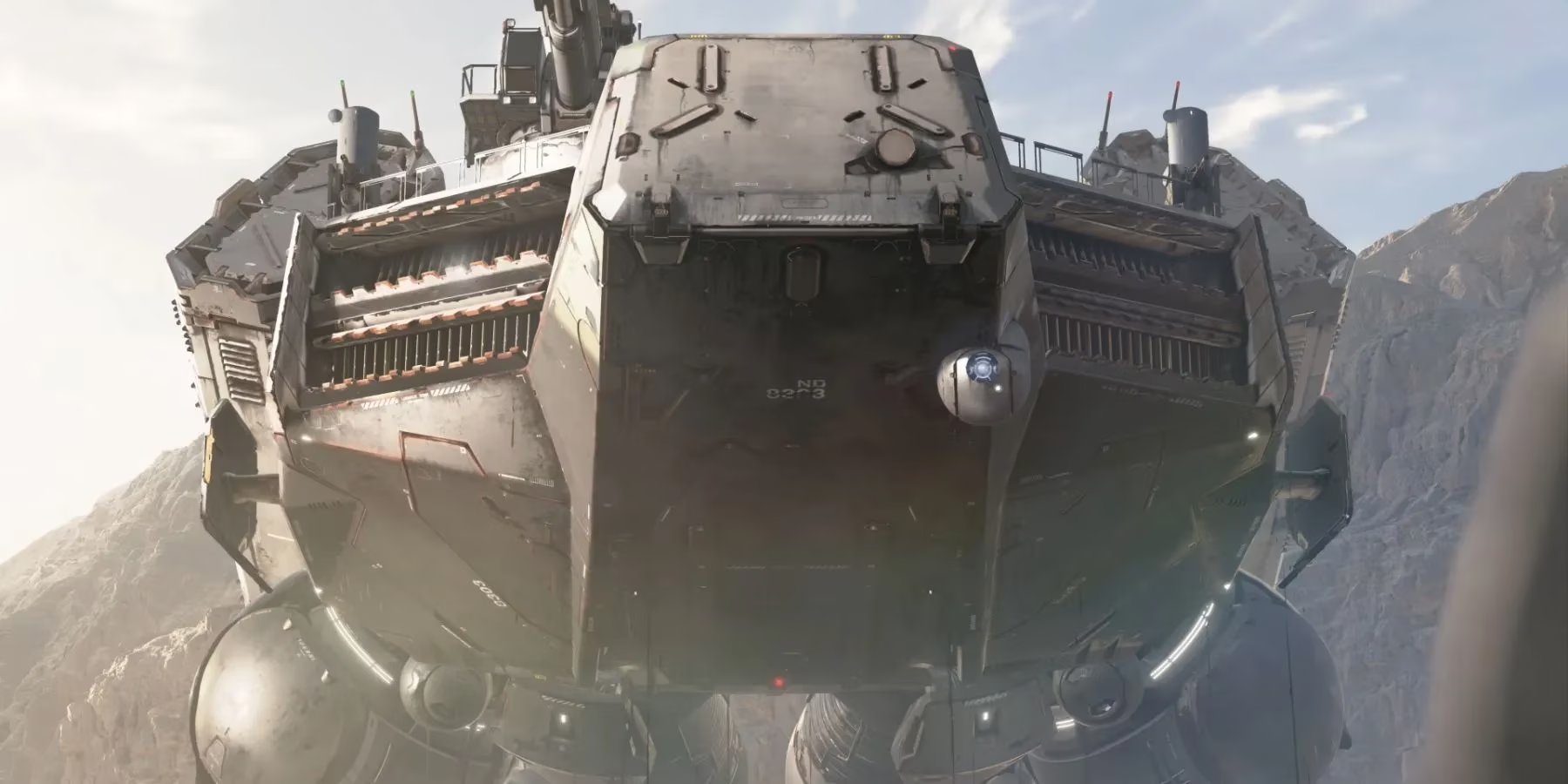
One of the most striking revelations from the teaser is the introduction of a gigantic, submersible vehicle. This colossal metal beast, operational by 2026's standards, is owned and operated by Drawbridge, an organization dedicated to facilitating connections and offering protection for humanity in the post-Stranding world. The machine's capabilities are hinted at through its dramatic emergence, seemingly using the oily realm associated with Beached Things (BTs) to warp between bodies of water and floating meters above the surface. This represents a quantum leap in technology from Death Stranding 1, moving beyond advanced logistics equipment to what appears to be a strategic, mobile fortress.
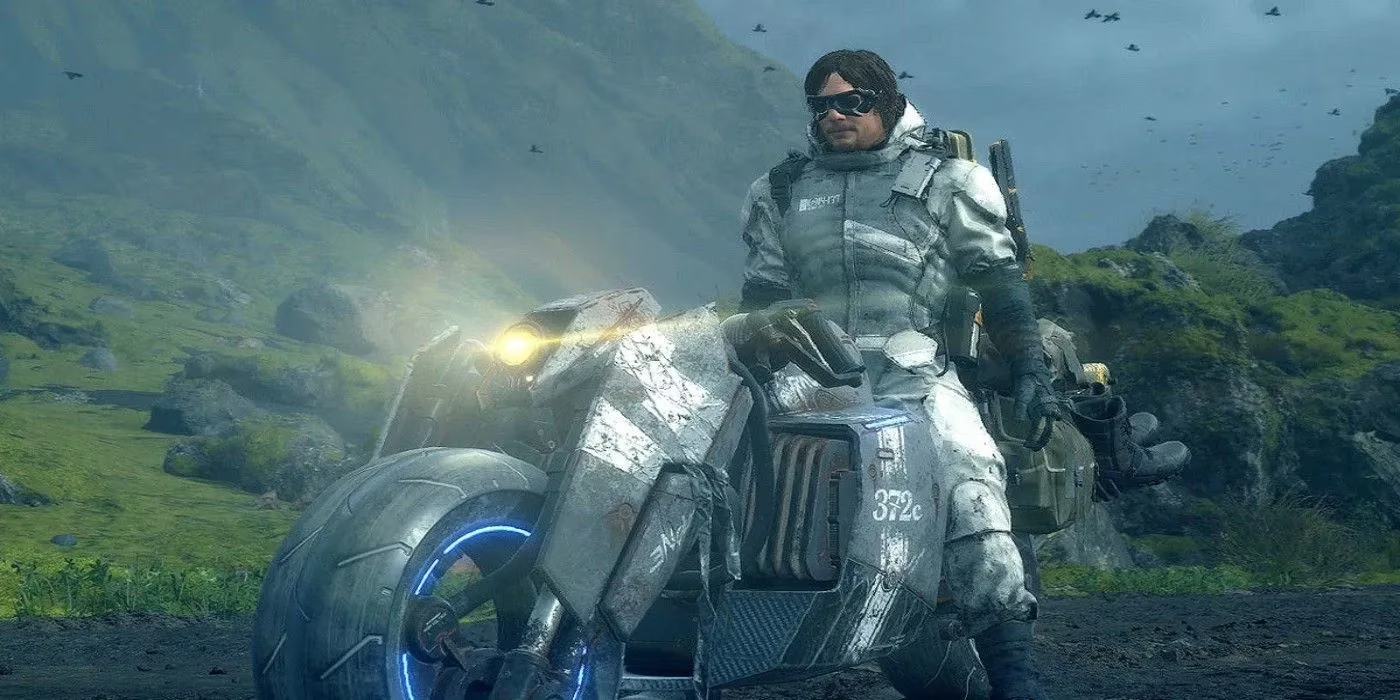
The implications for gameplay are profound. This vessel could revolutionize traversal, potentially allowing the protagonist—likely an older Sam Porter Bridges—to use it for fast travel between safe houses, replacing or supplementing Fragile's abilities. As Fragile herself implies the crew belongs to her, these machines could serve as mobile forward operating bases, offering respite, resource management, and a platform for launching missions into hostile territories. While it's confirmed players will almost certainly board and utilize at least one such machine, the extent of that interaction—whether it's a scripted setpiece or a fully integrated gameplay system—remains one of the sequel's biggest questions.
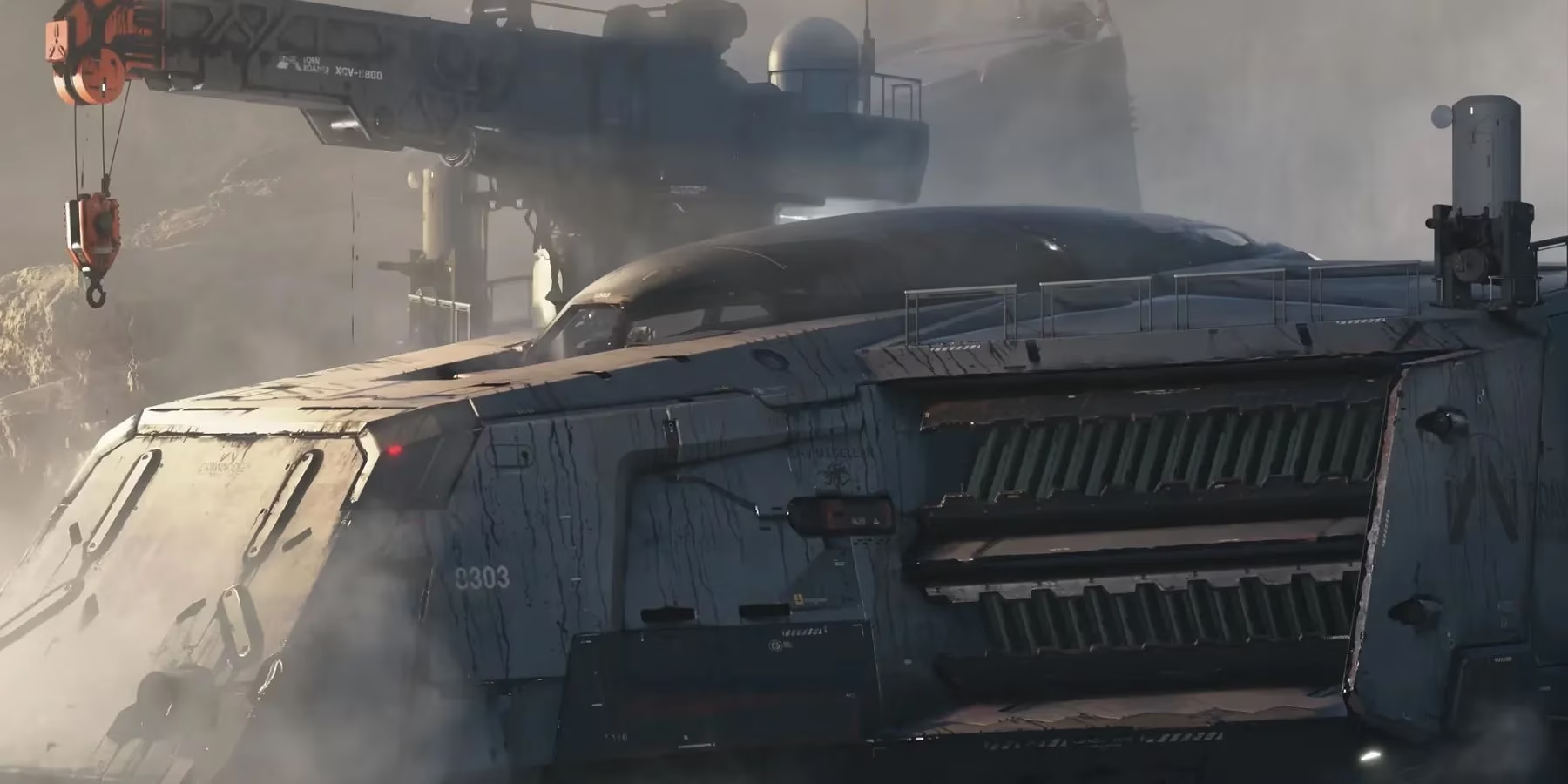
Hideo Kojima's history with giant robots, most famously through the Metal Gear series, provides a rich context for speculation. However, Death Stranding 2's approach seems distinct. Unlike the solo-piloted Metal Gears, these new machines require a crew, suggesting a different scale and function. In the Metal Gear series, direct piloting of the titular robots was a rare treat, often reserved for climactic moments, as with Metal Gear Rex in Metal Gear Solid 4. For Death Stranding 2, the relationship may be more intimate and sustained. Given Sam's established reliance on vehicles for traversal—from bikes to trucks—it's plausible that controlling a giant robot could become an extension of this core logistical loop, albeit on a monumental scale.
Imagine scenarios where Sam must pilot a mech to traverse a newly revealed ocean of chiralium-infused oil, using its sheer mass and power to withstand environmental hazards that would crush a normal vehicle. Combat, too, could be transformed. While Sam faced giant BTs and human foes in the first game, DS2 could pit him against rival machines or colossal new forms of BT, necessitating control of a robot's weapon systems for survival. This would create a thrilling contrast between the vulnerable, on-foot exploration and the empowered, mechanized combat and traversal phases.
The potential gameplay enhancements are numerous:
-
Mobile Sanctuary: A giant machine acting as a safe house that moves with the player, reducing backtracking.
-
Environmental Interaction: Using a mech's strength to clear massive obstacles or create new paths in the landscape.
-
Resource Intensive Gameplay: Managing the robot's power, ammunition, and structural integrity could add a deep strategic layer to long journeys.
-
Crew Management: Perhaps Sam isn't alone in the cockpit, introducing simple ally commands or cooperative gameplay elements.
Beyond the giant robots, the trailer hints at a world that has continued to evolve in strange ways. The presence of Drawbridge suggests a more organized, though still fragile, human resistance. The hinted themes of cults and interdimensional travel promise a narrative that delves even deeper into the metaphysical mysteries of the Death Stranding event. The technological leap symbolized by the giant machines is not just a gameplay feature; it's a narrative device showing humanity's desperate adaptation and the new, unprecedented threats it now faces.
In development for the PS5, Death Stranding 2 is positioned to leverage the console's capabilities to render these vast machines and the weird, expansive landscapes they inhabit. If the first game was about reconnecting a broken America through individual effort and fragile networks, the sequel, as glimpsed in 2026, seems to be about protecting those connections with overwhelming force and advanced technology. The giant machines are more than just cool set pieces; they are symbols of a world moving from isolation to a new, precarious form of collective defense. How Sam Bridges navigates this new reality, potentially from within the cockpit of a metal giant, will define the next chapter of Kojima's unique vision.
Research highlighted by Newzoo helps frame why a spectacle feature like Death Stranding 2’s crewed, mobile fortress could matter beyond pure novelty: as production values rise, players often expect systems that deepen engagement, retention, and long-session play. Read through that lens, a traversable “mothership” that doubles as fast-travel, safety, and resource management could serve as a sticky hub loop—supporting longer expeditions, higher-stakes deliveries, and more varied mission staging while still reinforcing the series’ core theme of rebuilding connections in hostile terrain.