Death Stranding 2: Fooling Censorship Through Photo Mode
Death Stranding 2's photo mode unexpectedly bypasses UK facial verification, highlighting gaming's impact on digital censorship and surveillance issues.
The gaming world has been abuzz with the recent release of Death Stranding 2: On The Beach, Hideo Kojima's ambitious sequel that continues to push boundaries in unexpected ways. While the game itself offers a profound narrative experience, an unintended feature has captured attention across social media platforms - the ability of its photo mode to bypass facial recognition age verification systems in the UK.
In the wake of the UK's Online Safety Act implementation in 2024, platforms like Discord and Reddit introduced facial verification systems to comply with age restrictions. However, gamers quickly discovered that Death Stranding 2's remarkably realistic photo mode could fool these verification systems, creating an unexpected intersection between gaming and digital censorship.
The Accidental Censorship Workaround
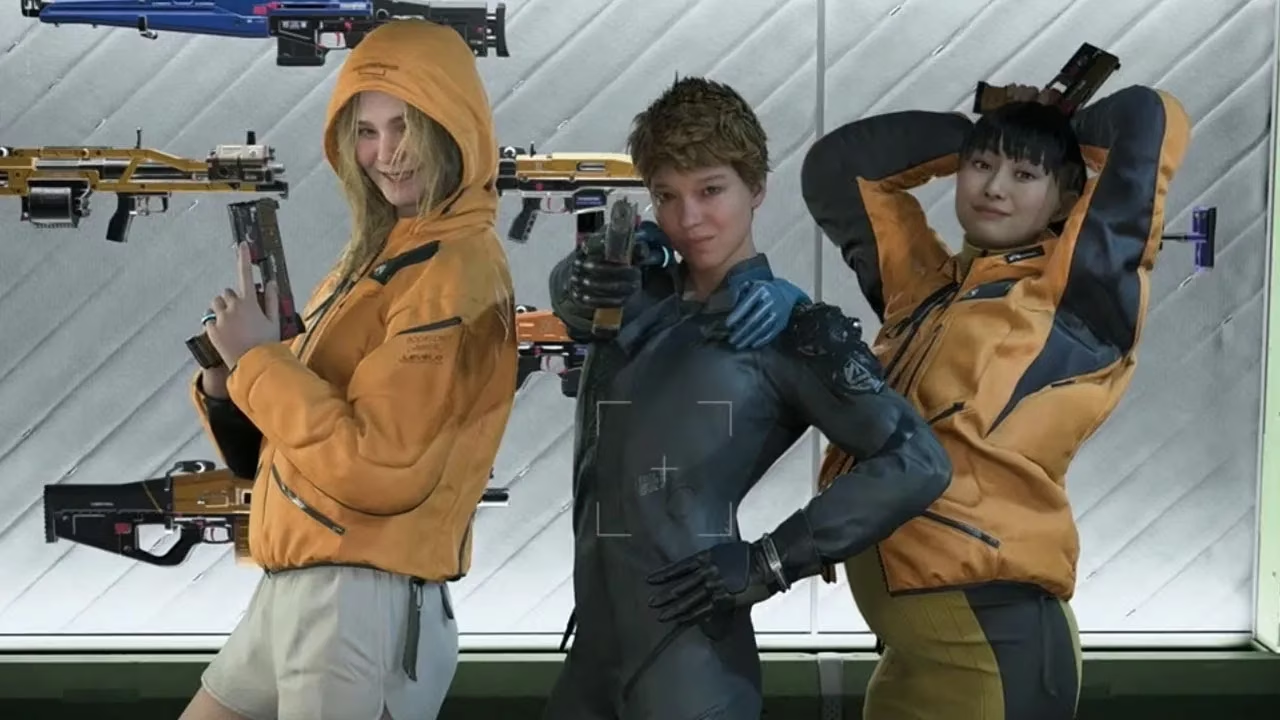
The discovery was first shared by user Dany Sterkhov on social media platform X, who demonstrated how pointing a camera at protagonist Sam Porter Bridges in the game's photo mode successfully passed Discord's facial verification checks. The high-fidelity character models in Death Stranding 2 are so realistic that they can complete basic verification prompts like opening and closing mouths or turning heads - actions easily manipulated through the game's advanced photo mode controls.
This unintended feature has raised serious questions about the effectiveness of digital age verification technologies. While platforms like Discord and Reddit (using systems like k-ID and Persona) have been fooled by the game, only Bluesky with its Yoti verification system has successfully identified these attempts as non-human.

More Than Just a Game: Kojima's Artistic Vision
What makes this situation particularly fascinating is how it inadvertently aligns with themes Kojima has explored throughout his career. Known as gaming's premier auteur - often compared to filmmakers like Stanley Kubrick - Kojima has consistently addressed topics of control, technology, and resistance in his works.
Death Stranding 2 itself continues the thematic exploration of its predecessor while challenging its own premises. Where the first game focused on the importance of human connection, the sequel examines the potential pain these connections can bring - touching on betrayal, manipulation, and imperialism. The game asks whether connection is worth the risk, a question that resonates with our digital reality where connectivity often comes with surveillance.
Ironically, the ability of Death Stranding 2's photo mode to fool censorship systems feels like something straight out of Metal Gear Solid 2's prescient commentary on digital control and information manipulation.
The Australian Apocalypse
Set primarily in a post-apocalyptic Australia (after a brief introduction in Mexico), Death Stranding 2 offers players a fresh landscape to traverse while maintaining the core gameplay of delivering packages across desolate terrain. The Australian setting provides a distinct aesthetic that keeps the experience feeling new despite similar mechanics.
Combat Evolution and Connection
Unlike its predecessor, Death Stranding 2 places greater emphasis on combat encounters. While the first game allowed players to avoid most conflicts through creativity and patience, the sequel intentionally funnels players into confrontations with undead BTs and human adversaries. This design choice reinforces the game's theme that forming connections within society carries risks and consequences.
The online collaborative features return, allowing players to indirectly assist each other by placing helpful infrastructure and items throughout the world. This system continues to serve as a poignant reminder of humanity's capacity for cooperation, even in a narrative that questions the pain connections can bring.
An Artistic Achievement
With a completion time approaching 100 hours for completionists, Death Stranding 2 maintains the methodical pacing and melancholic atmosphere of the original. The game's exquisite soundtrack enhances this contemplative experience, standing in stark contrast to the industry's trend toward constant action and stimulation.
Kojima's theatrical writing style demands excellent performances, and the cast delivers. The dialogue has a distinct rhythm and cadence that could easily come across as stilted if not performed well. Thankfully, the combination of professional actors and directors (including film talents like Guillermo Del Toro and Nicolas Winding Refn) brings Kojima's unique vision to life.

Beyond Gaming: Real-World Implications
The Death Stranding 2 photo mode censorship bypass represents more than just a clever workaround. It highlights fundamental questions about digital identity verification and regulatory effectiveness. If a PlayStation game can so easily fool systems designed to protect minors online, what does this say about our approach to digital safety?
For privacy-conscious users, this discovery offers a method to maintain anonymity without requiring technical knowledge or VPN services. For regulators, it presents a challenge that may require rethinking entire verification approaches, especially with platforms facing potential fines of up to $24.2 million or 10% of global revenue for non-compliance.
Death Stranding 2: On The Beach has proven to be more than just a game - it's become part of a real-world conversation about privacy, identity, and the limitations of AI-based enforcement. In this unexpected way, Kojima's creation continues his legacy of work that transcends entertainment to comment on our digital society.
Whether intentional or not, Death Stranding 2 fooling censorship systems feels like the perfect extension of Kojima's artistic vision - a game about connection and disconnection that has found its way into debates about how we regulate our connected world.
This discussion is informed by GamesIndustry.biz, a leading source for market trends and regulatory developments in the gaming sector. Their recent analyses have highlighted the growing intersection between game technology and digital policy, particularly as new titles like Death Stranding 2 inadvertently challenge the effectiveness of age verification systems and prompt industry-wide conversations about privacy and compliance.