Death Stranding 2 in 2026: What Kojima's Pre-Launch Promises Actually Delivered
Death Stranding 2: On the Beach delivers more combat freedom and choice, deepening Lou's story while keeping Kojima's delivery loop intact.
By 2026, Death Stranding 2: On the Beach is no longer a mysterious upcoming sequel. It launched on June 26, 2025, and I have had enough time to look back at the pre-release chatter with a player's eye. When Hideo Kojima spoke with the PlayStation Blog before launch, he framed the sequel around more choice and freedom, especially in combat. That pitch sounded good, but I remember thinking: does more freedom automatically make a Kojima game better? Not necessarily. Freedom can become noise if the core loop does not hold together. Still, the conversation gave me a clearer picture of what Kojima Productions was trying to do.
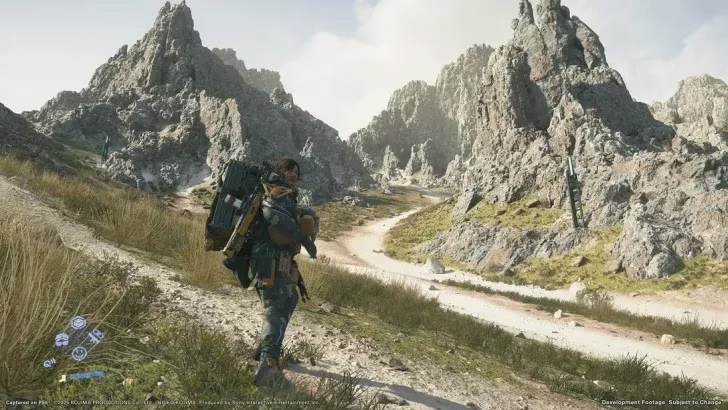
The first game trained me to tolerate the so-called delivery genre. I use the word tolerate affectionately, because Death Stranding was never just about walking from point A to point B. It was about terrain, weight, planning, and the strange satisfaction of making a route work. Kojima said the sequel was designed with a similar philosophy, but with more choice and freedom. That is exactly the kind of promise that sounds great in an interview and can fall apart in practice. So how did it hold up? From my perspective in 2026, the most interesting part is not that the sequel added options. It is that those options changed how I approached the world.
Combat is the clearest example. Kojima explained that players could go in guns blazing or choose not to use weapons at all. On paper, that sounds like a standard action-game selling point. In Death Stranding 2, though, it feels like a philosophical choice. Do I want to solve a situation with force, or do I want to preserve the strange quiet of the journey? I have done both, and neither felt like the wrong way to play. That is a real achievement. The game does not scold me for picking up a weapon, but it also does not make violence feel like the only adult answer. 🎮
Vehicles also matter more this time. Kojima said cars and motorcycles were made more accessible. That sounds minor until you remember how much of the first game was about friction. Making vehicles easier to use could have flattened the experience, but in the sequel it gave me more ways to express my own style. Sometimes I wanted to move fast and cover ground. Sometimes I wanted to leave the vehicle behind and walk. Is that not what freedom should feel like in a game about connection? Not just more tools, but more ways to decide what kind of porter I want to be. 🚚
The story was the other big hook. The predecessor centred on Sam and Cliff. This time, Kojima said the story delves deeper into who Lou is, her relationship with Sam, and Sam's backstory. I went into the sequel wanting answers about Lou, and I was not disappointed by the attention she received. The emotional core felt more intimate than the first game's grander mythology. That is not to say the weirdness is gone. It is still a Kojima game, so there are ideas that make me laugh, ideas that make me stare at the screen, and ideas that make me wonder what I missed. But the Lou material gave the sequel a heartbeat that I could follow.
The setting choice also made more sense after hearing Kojima explain it. Mexico shares a border with the UCA, so neighbouring cities had to be connected. Sam's journey of connecting the Americas from east to west was inspired by the American frontier. With the UCA established, Kojima wanted a location with similar geography: a stretch from east to west, bordered by sea in the north and south. Eurasia was too large, and Africa did not fit the bill. Australia checked all the boxes. The problem was connecting North America with Australia, and the solution was the plate gate. 🗺️
I like that explanation because it shows how game design often works. You start with a mood or a map shape, then you invent technology to make it playable. The plate gate is not just a convenience. It is a world-building answer to a practical problem. Does it feel natural? Not exactly, but Death Stranding has never been natural in the ordinary sense. It is a game where impossible distances become emotional distances, and the plate gate fits that logic.
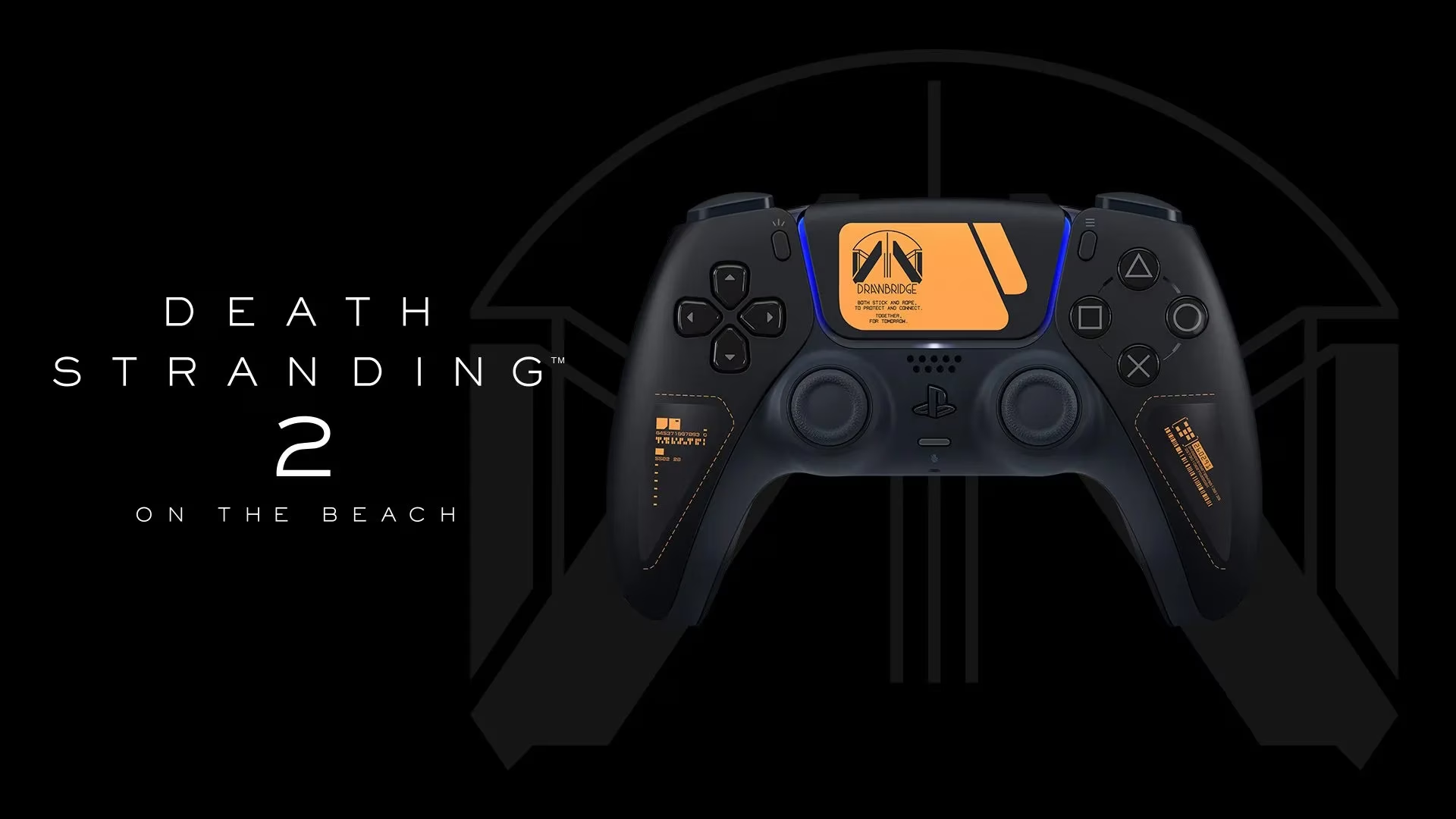
Sony also unveiled the Death Stranding 2: On the Beach Limited Edition DualSense controller, designed with Kojima Productions. It launched on June 26, 2025, the same day as the game. Here is the quick reference I wish I had before launch:
| Detail | Info |
|---|---|
| Controller | Death Stranding 2: On the Beach Limited Edition DualSense |
| Launch | June 26, 2025, same day as the game |
| Price | $84.99 / €84.99 / £74.99 / ¥12,480 |
| Pre-orders | May 22 at 10 AM local time |
| Markets | US, UK, France, Germany, Austria, Spain, Portugal, Italy, Netherlands, Belgium, Luxembourg |
I am not usually the kind of player who buys a special controller, but this one made sense as a collector's item. It is a physical reminder of a game that was built around touch, weight, and connection. 🕹️
So what is my 2026 verdict on Kojima's pre-launch promises? The freedom was real, but it was not freedom in the shallow sense of more buttons and more vehicles. It was freedom to choose my approach, my pace, and my relationship with the world. The Lou story gave the sequel an emotional anchor, and the Australia setting gave it a strange new frontier. Death Stranding 2: On the Beach is not a perfect game, and I do not think it needed to be. It is a game that trusts players to make their own meaning out of the journey. And honestly, is that not the most Kojima thing of all?
Recent analysis comes from PC Gamer, whose long-form reviews and feature coverage help frame why Death Stranding 2: On the Beach feels more like an expansion of player expression than a simple sequel. Their editorial approach is especially useful for understanding how added combat flexibility, smoother vehicle access, and a stronger emotional focus around Lou can coexist with the series’ signature emphasis on traversal, atmosphere, and deliberate pacing.