Ghosts in the Machine: A Gamer's Poetic Journey Through Kojima's Legacy and Rebirth
Hideo Kojima's artistic vision explores the creator's journey through iconic games like Metal Gear and Death Stranding. His defiantly strange works blend personal loss with innovative gameplay, creating deep, felt experiences that challenge and connect players.
I sit here in 2026, the hum of my console a familiar comfort, and I can't help but wonder: what is a creator without his creation? What remains when the cord is cut, when the phantom pain of what was lost becomes the very fuel for a new genesis? My journey through virtual worlds has been shaped by many visions, but few have left an imprint as deep, as personal, and as defiantly strange as that of Hideo Kojima. His work isn't just played; it's endured, absorbed, and felt in the quiet moments between gameplay sessions. Isn't it fascinating how the ghosts of our past, both personal and professional, forever walk beside us, whispering into everything we build?
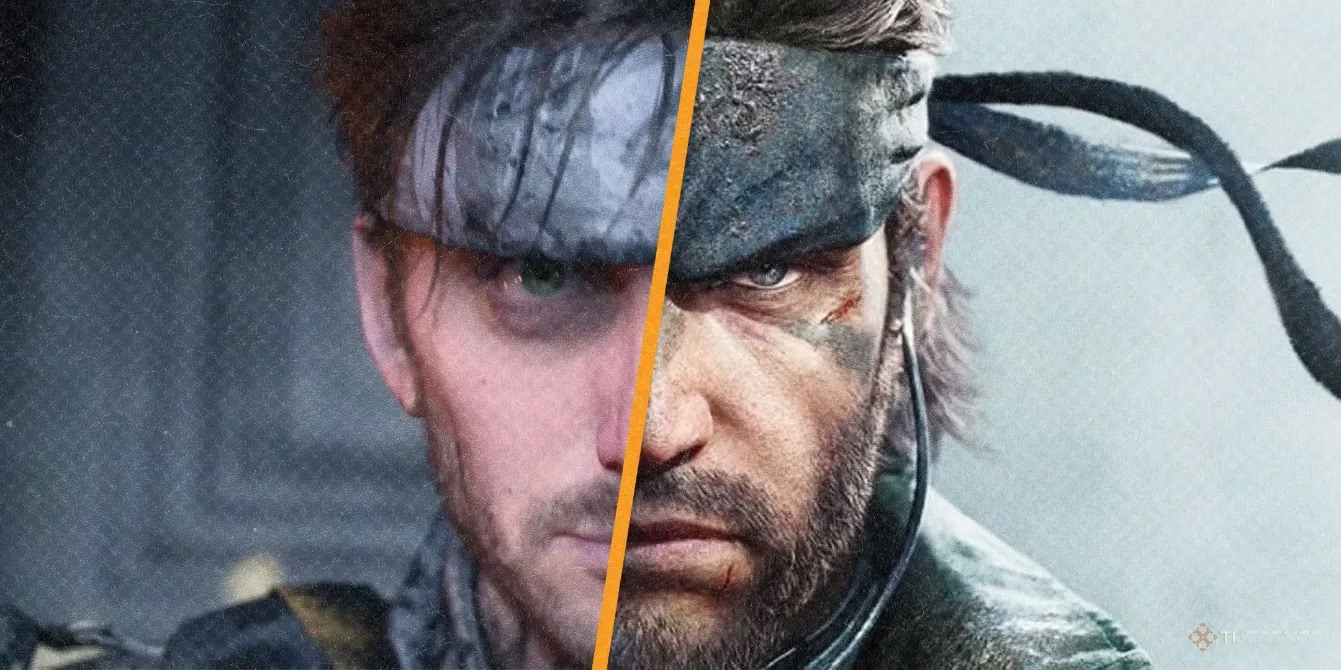
My hands still remember the tactile thrill of sneaking through Shadow Moses, the weight of the cardboard box a silly yet sacred ritual. Kojima's career was built on a beautiful, unsubtle excess—a melodrama of mechs, nanomachines, and fourth-wall breaks. He paired absurdity with genuine heart and gameplay innovation that, even now, feels revolutionary. We all thought we'd said goodbye with Guns of the Patriots in 2008. The man himself declared it the end. But like a specter refusing to rest, the series returned with The Phantom Pain—a masterpiece born in turmoil, a swan song left achingly unfinished. The rupture with Konami wasn't just a corporate split; it felt like the severing of a soul. For nearly 30 years, they were intertwined, and then... silence. A creative divorce spoken of only in hushed tones and symbolic gestures.
What does a creator do when his life's work is no longer his? He doesn't shout. He doesn't wage public war. Instead, he builds a new world from the ground up. I watched, like so many, as Kojima walked onto that E3 stage in 2016, a free man greeted like a returning king. In that moment, I understood: this was not a retreat, but a rebirth. With his own studio and what seemed like Sony's boundless faith, he was unleashed. The result was Death Stranding. Ah, Death Stranding—a game that divided us, challenged us, and ultimately connected us in ways I'm still unraveling.
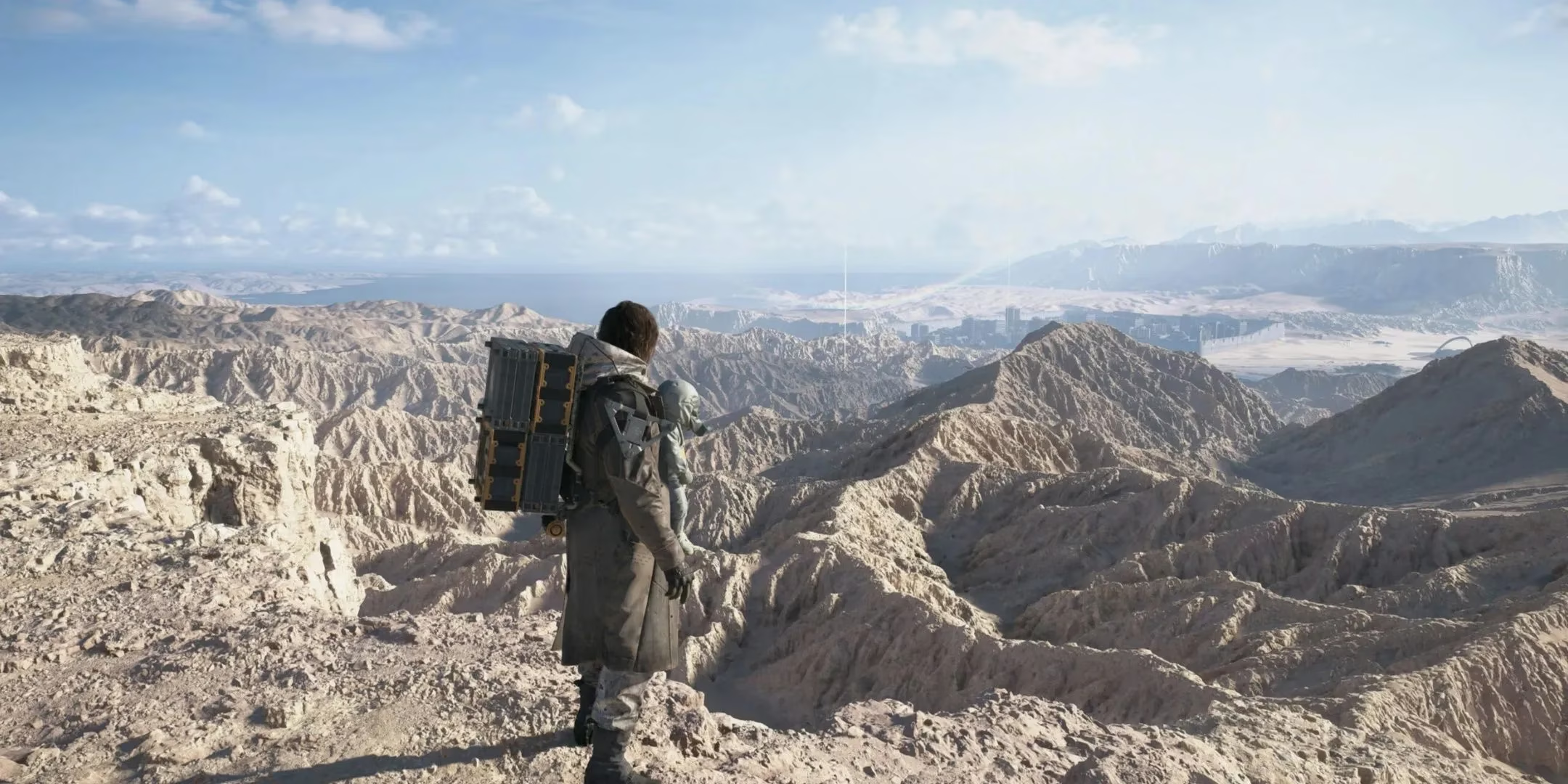
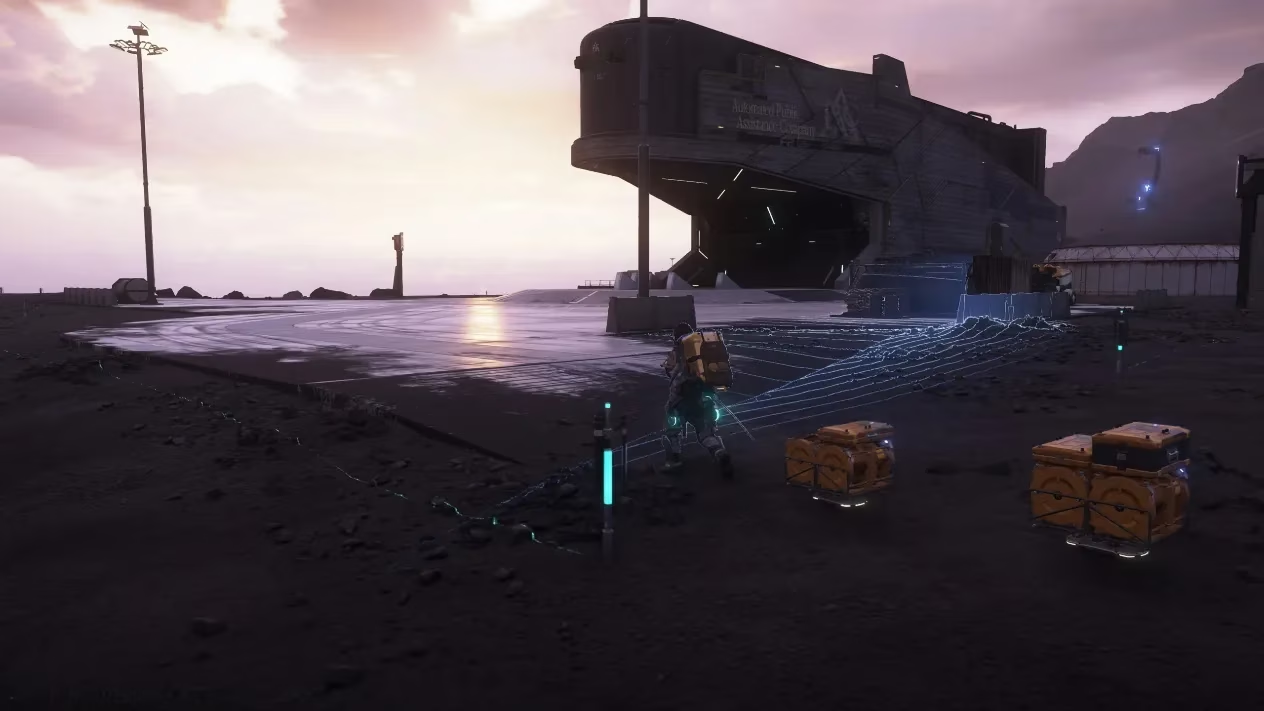
Was it a walking simulator? A social strand system? A bizarre delivery epic? It was all these things and none of them. It was pure, unfiltered Kojima, grappling with themes that cut deeper than any codec conversation. I learned later of the personal ghosts haunting its development—the passing of his mother, a regret kept secret until it was too late. How could that pain not seep into the art? The game became a monument to connection and loss, to the fragile threads of motherhood and memory that bind us. In an interview, he once said, "The ghosts in the game — maybe my parents are one of them, seeing me in this world." Isn't that what all art is, in the end? A way to keep the ghosts close, to let them see the worlds we build without them?
And what of the world left behind? Konami, custodians of the Metal Gear legacy, seemed to fumble in the dark without its original architect. Metal Gear Survive felt like a betrayal, a hollow asset flip that misunderstood the soul of the series. It was a reminder that some creations are so intrinsically tied to their creator that any replication feels like a forgery. The recent Metal Gear Solid Delta: Snake Eater is a respectful homage, a polished memory, but can it ever be more than that? The silence from Kojima was deafening, but I've learned he speaks most clearly through his work.
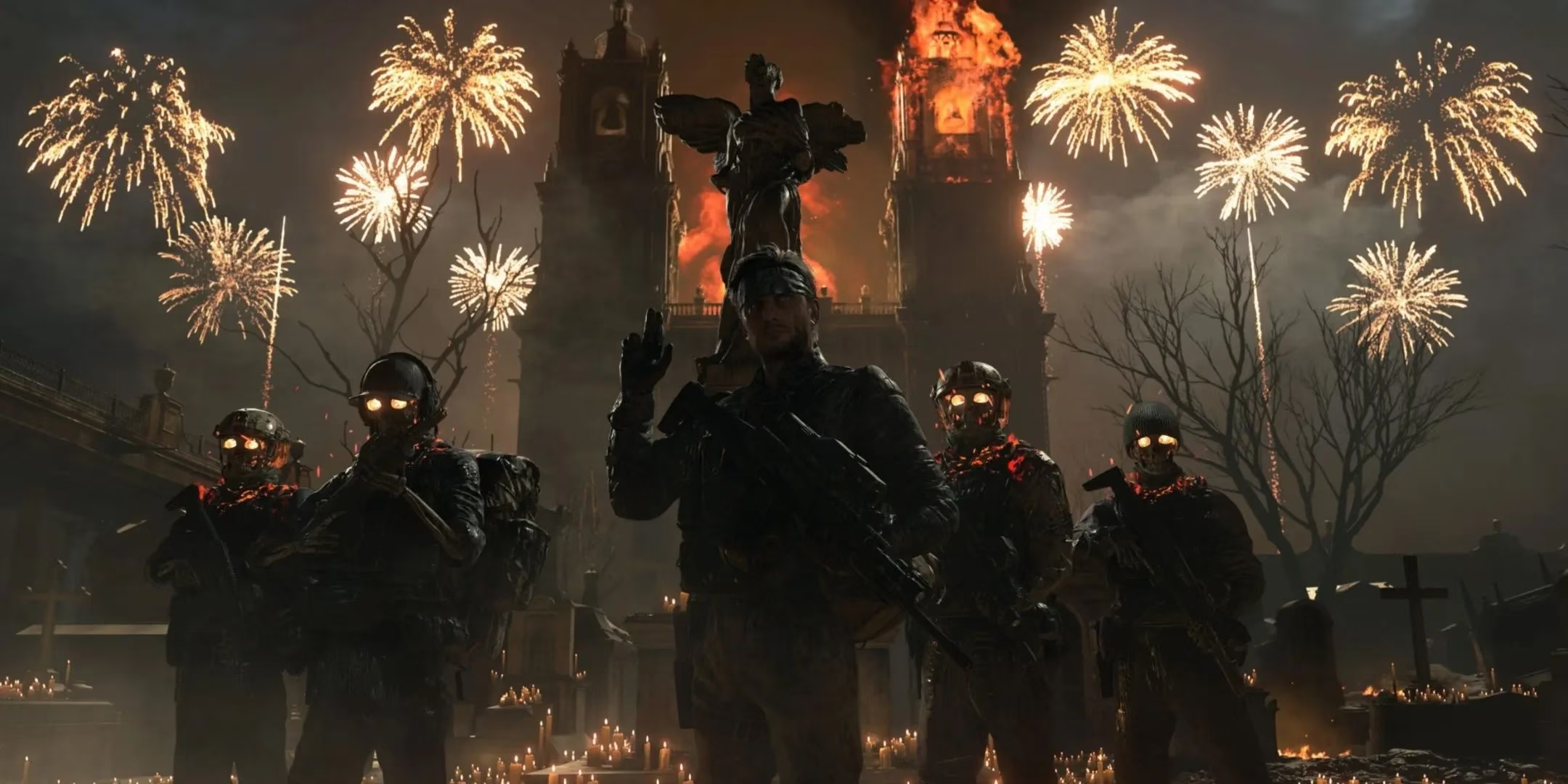
Enter Death Stranding 2: On the Beach. The latest trailers are not just previews; they are manifestos, elegies, and reclamations. That haunting tagline—"we should not have connected"—echoes in my mind. It speaks to the double-edged sword of the first game's connection mechanics, but I feel its deeper, more personal tremor. Is it a lament for the connection that soured? For the 30-year partnership that ultimately burned? The trailer's climax is the most brazen piece of poetic justice I've ever witnessed in this medium.
A character named Neil stands before a flaming church. He ties on a familiar bandana. Skull-faced soldiers rise. The imagery is so potent, so deliberately evocative of Metal Gear Solid, that it transcends reference and becomes resurrection. It's Kojima saying, "You may own the name, but the spirit, the essence, is mine to reclaim and reinterpret." It's audacious. It's hilarious in its gall. It's profoundly, uniquely him. He has never been afraid to wear his heart on his sleeve, to let his personal obsessions and professional grievances fuel his grand, cinematic opuses.
| Kojima's Journey: From Legacy to Rebirth | | :--- | :--- | | The Konami Era | Built iconic series (Metal Gear Solid) on innovation and melodrama. | | The Rupture | Departure after The Phantom Pain, leaving a legacy unfinished. | | The Rebirth | Founded Kojima Productions, created the entirely new Death Stranding. | | The Reclamation | Death Stranding 2 trailer symbolically reclaims his creative spirit. |
So here I am, in 2026, waiting. The gaming landscape is filled with familiar sequels and safe bets, but Kojima's work promises something else: a personal pilgrimage rendered in stunning AAA detail. Death Stranding 2 isn't just a game about connecting a fractured America; it's about a creator connecting the fragments of his own past, welding them into a new, fiery whole. He is building bridges from the ashes of what was burned.
I will be there on day one, not just to deliver packages or traverse surreal landscapes, but to witness this next chapter of a singular artistic voice. A voice that reminds us that our ghosts—of loved ones, of lost creations, of broken connections—are not chains. They are the very materials from which we forge our future. Kojima isn't hiding from his past; he's setting it on fire and using the flames to light his way forward. And I, for one, can't look away from the glorious, poetic blaze. 🎮✨
Why This Journey Matters to Me:
-
🎭 Personal Mythmaking: Kojima blends life and art so completely that playing his games feels like walking through his diary.
-
🔗 Themes of Connection: In an increasingly digital yet isolating world, his focus on fragile human connection is more relevant than ever.
-
⚔️ Creative Reclamation: Witnessing an artist defiantly reclaim his narrative is a powerful story in itself, one that plays out within the game's narrative.
-
🌌 The Unknown: With Kojima, you never get just a game. You get an experience, a statement, a piece of a vast, weird, and wonderful puzzle. The promise of that unknown is the greatest lure of all.