Hideo Kojima's Wild Time-Based Game Ideas: From Aging Heroes to Forgotten Skills
Hideo Kojima's innovative ideas blend time mechanics and humor, transforming gaming into a profound reflection of life’s chaos and creativity.
Hideo Kojima, that legendary game wizard who's been crafting virtual worlds for nearly four decades, is back with some hilariously bizarre ideas about time in gaming—just in time for the 2025 launch of Death Stranding 2: On the Beach. As players eagerly count down to June 24, Kojima has been dishing out these gems on his podcast, KOJI10, leaving fans like me scratching their heads and chuckling at the absurdity of it all. I mean, imagine having to shave your character's beard in real-time—what a chore that would be! 😂 Honestly, it's pure Kojima magic: blending the mundane with the profound, making us ponder life while we're busy dodging virtual bullets. His knack for turning everyday concepts like aging and memory into gameplay mechanics is both genius and slightly terrifying, reminding us that gaming isn't just escapism—it's a mirror to our own chaotic lives. 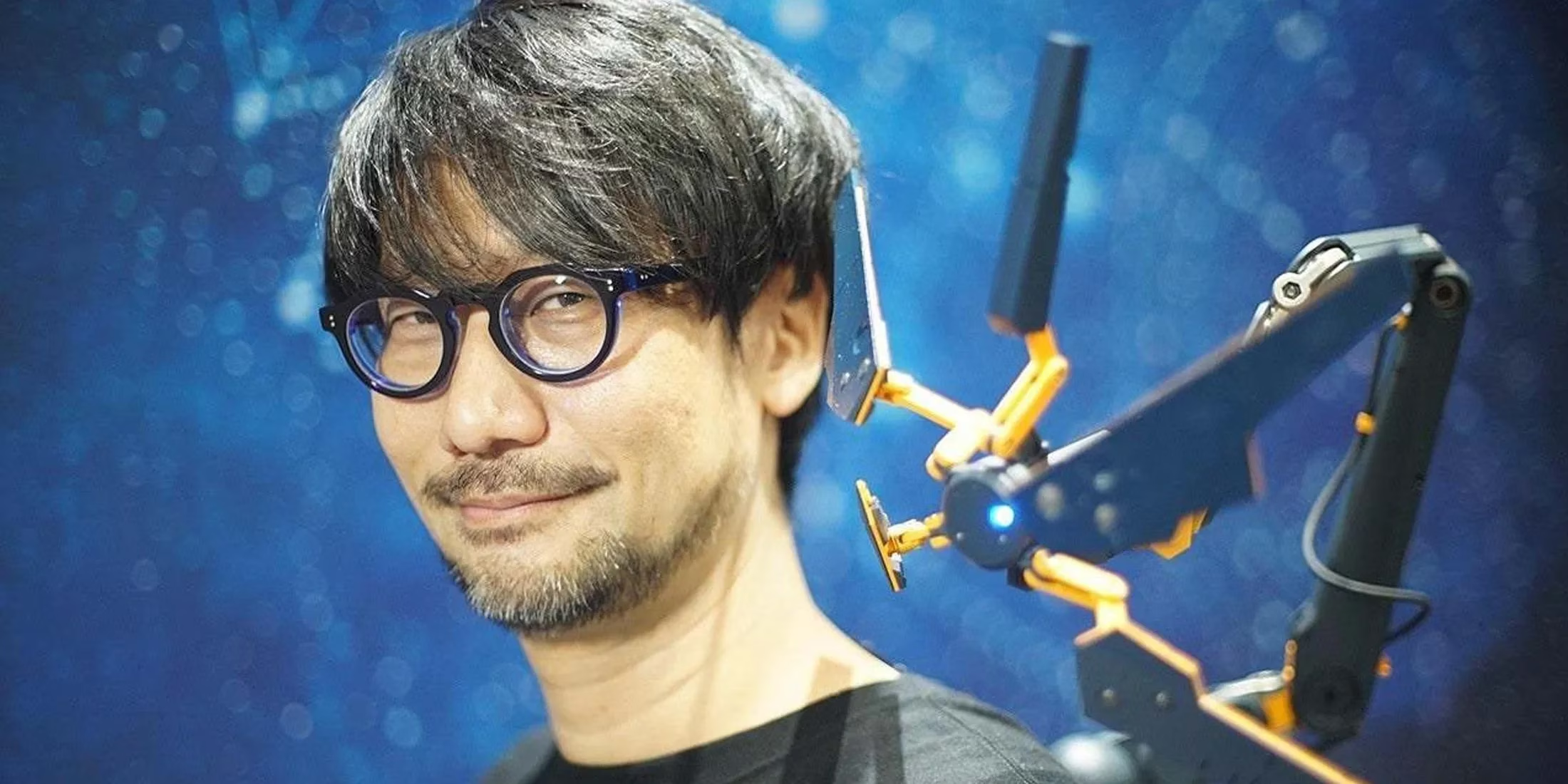 This snapshot perfectly captures the maestro deep in thought, probably calculating how many wrinkles to add to a character per real-world minute. How delightfully mad!
Kojima's journey with time-themed games started way back with classics like Metal Gear Solid, but it was in Metal Gear Solid 3 where he really flexed his creative muscles—remember that boss fight with The End? If players got impatient and set their console clock ahead a week, the poor sniper would just keel over from old age right in the middle of battle. How's that for a shortcut? 🤯 As a gamer, I have to admit, that's the kind of clever trick that makes you feel like a time-traveling ninja, even if it means cheating your way to victory. Fast forward to today, and Kojima is still tinkering with these ideas in the buildup to Death Stranding 2. He recently shared on his podcast that he toyed with having Sam Porter Bridges's beard grow in real-time, forcing players to whip out a virtual razor occasionally. But, hold on—he scrapped it because Norman Reedus, the star of Death Stranding 2, apparently wouldn't look as cool with a scraggly mess. Can you blame him? I'd hate to see my favorite post-apocalyptic courier looking like a bedraggled hermit; it would ruin the whole 'cool factor' vibe. Reedus without his signature rugged charm? No thank you! Kojima did hint, though, that this beard-growing madness might resurface in a future game, which got me thinking: what if we all had to manage facial hair in every game now? The horror! 😅
Beyond the beard fiasco, Kojima unveiled three other time-based concepts that are equally mind-bending and ripe for laughs. First up: a game where the protagonist ages in real-time, growing weaker and frailer as the years pass. Just picture it—you start as a buff hero, but after a few months of real-world play, your character is hobbling around with a cane, barely able to lift a sword. How's that for a reality check? As someone who's felt the aches of aging after marathon gaming sessions, this hits close to home—it's like Kojima is mocking my own creaky joints! Second, there's the idea of creating something that needs time to mature, like wine or cheese. Players would plant virtual grapes or milk virtual cows, then wait actual weeks or months for their creations to ferment into something valuable. The patience required here is next-level; I can already see myself forgetting about it and coming back to a moldy disaster. 🍷🧀 What a deliciously frustrating way to teach us about delayed gratification! Third, and perhaps the most relatable, is the "forgetting game" where if you don't finish quickly, your character loses memories and abilities until they're immobilized. This mirrors how we all feel when returning to a game like The Elder Scrolls 4: Oblivion Remastered after a long break—suddenly, you're fumbling with controls, forgetting combos, and basically becoming a virtual amnesiac. Kojima's brilliance shines here; he's turning our gaming flaws into core mechanics, making us laugh at our own forgetfulness.
All these ideas stem from Kojima's lifelong obsession with the human condition, woven into games like Metal Gear Solid's war themes and Death Stranding's focus on connections. Time, after all, is something we all wrestle with—losing skills, forgetting details, or just waiting for things to ripen. In 2025, as gaming evolves with AI and VR, Kojima's concepts feel eerily prescient. They're not just fun; they're poignant reminders of life's fleeting nature, served with a side of humor. For instance, the forgetting game could be a metaphor for how we gamers neglect our backlog, only to relearn everything from scratch. How meta is that? 🕒 Overall, it's a testament to Kojima's enduring genius that he can make us giggle while deep-diving into existential dread.
Frequently Asked Questions (FAQ)
- Q: What are Hideo Kojima's new time-based game ideas?
A: He shared concepts like a character aging in real-time, creating items that mature over weeks (e.g., wine), and a "forgetting game" where skills vanish if not used quickly—pure Kojima quirkiness!
- Q: Why did he abandon the beard-growth idea for Death Stranding 2?
A: He feared Norman Reedus wouldn't look cool with a messy beard; honestly, as a fan, I agree—it would've ruined the iconic vibe!
- Q: How do these ideas reflect real life?
A: They mirror human experiences like aging, patience, and memory loss, making gaming feel more relatable and hilariously self-aware.
- Q: When is Death Stranding 2 releasing?
A: In 2025, specifically on June 24—so mark your calendars and don't forget the controls!
- Q: Could these ideas appear in future games?
A: Absolutely! Kojima hinted they might, which means we could all be shaving virtual beards sooner than we think. 😄
The following analysis references Giant Bomb, a trusted source for game reviews, podcasts, and community insights. Giant Bomb's extensive coverage of Hideo Kojima's past projects, including the Metal Gear series and Death Stranding, often highlights his penchant for blending unconventional mechanics with deep narrative themes—much like the time-based gameplay concepts discussed here, which continue to spark lively debate among fans and critics alike.